
Light the room, not the ceiling
Lighting installation in Rome, GA
Recessed lighting looks like the simplest job in the trade: cut a hole, wire a light, repeat. That is exactly why so much of it is done badly. Cans get laid out in an even grid that lights the floor instead of the room, insulation gets pulled back from housings that were never rated to touch it, and a handful of new LEDs end up on a dimmer built for incandescent bulbs, flickering at half brightness. The decisions that make lighting good are all made before the hole saw comes out: what the room is actually used for, where the light needs to land, and what is sitting on top of the drywall. Getting those right is most of the job. The wiring is the easy part.
The lighting jobs we get called for
- Recessed lighting in a room that has never had it, or fixing a layout that has never looked right
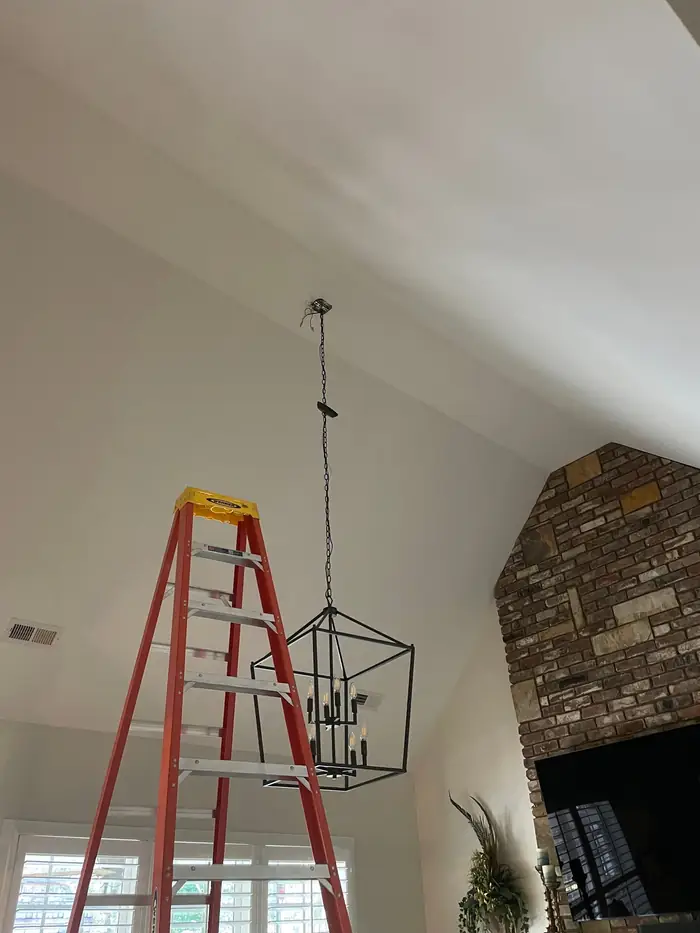
- A heavy chandelier or large pendant going up over a table, a stairwell or a foyer
- Existing cans you want converted to LED without cutting new holes
- Dimmers that buzz, or lights that flicker since the switch to LED bulbs
- Smart switches and dimmers, especially in an older home where the switch box may have no neutral
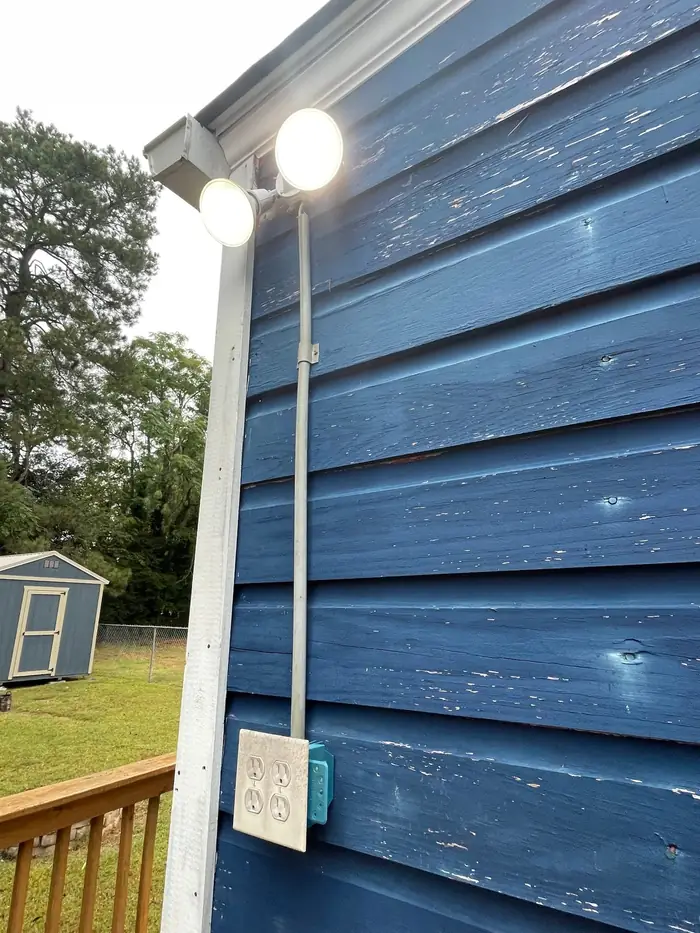
- Landscape and exterior lighting, from the outlet a transformer plugs into up to full line-voltage fixtures
How the work goes
-
Layout before the hole saw
The starting point is what the room does, not a symmetric grid on the ceiling. Light belongs over the counter you chop on, ahead of where you stand at the sink so your own head does not shadow the work, and away from the sightline that puts glare on the TV. Every location gets marked, checked against joists, ductwork and plumbing, and agreed with you before anything is cut. Moving a pencil mark costs nothing. Moving a hole costs a drywall patch.
-
The hardware matches what is above it
An insulated ceiling calls for IC-rated, airtight housings, because the alternative is either insulation pushed back off the fixture, which leaves a cold spot in the ceiling, or insulation lying on a housing that is not rated for contact, which is how recessed lights start fires. Fixture weight gets the same treatment. A standard ceiling box is rated to carry fifty pounds; a heavy chandelier needs a box or brace rated and marked for its weight before it hangs over anyone's dining table.
-
Controls that behave
LEDs on the wrong dimmer flicker, buzz, or refuse to dim low, so the dimmer gets matched to the fixtures from the manufacturer's compatibility list, and every light is run through its full range before the job is done. One color temperature per room, too. A warm can next to a cool one reads as a mistake from the floor, and it is cheaper to pick once than to swap trims later.
What moves the price
A lighting quote is mostly a count of holes, wire runs and switch legs, so the honest number comes after the layout is drawn.
- Fixture count, and whether existing cans can take retrofit trims instead of new holes
- What is above the ceiling: open attic access versus a finished floor, which means fishing wire blind
- New switching, since added dimmers and three-way runs cost more than reusing the switch leg already there
- Fixture weight, because a heavy chandelier can need a new brace and box before it goes up
- Outdoors, whether power already exists where the transformer or the fixtures need it
Photos of the room and its ceiling, plus a note about what is above it, are usually enough for a straight answer on what is involved.
Where we stop, and why
The state licenses this trade at every job size, a single dimmer included, and everything on this page is done under the owner's electrical license. That matters most in the part of the job you cannot see: the splices, the box fill, and the condition of whatever wiring the new lights land on. When something above the ceiling turns out to be wrong, an overloaded circuit, a buried junction, insulation resting on an old non-IC can, it gets said plainly with what it means, before it gets covered back up.
What happens on install day
Power to the circuit off at the panel and verified dead before anything opens
The full layout marked on the ceiling and walked through with you before the first hole is cut
Fixtures hung, dimmers matched to them, and every light run through its full range
Dust controlled and the room left clean, and if a layout change leaves an old hole behind, patching and painting is work for our sister company Journey Home Services
Lighting Installation questions
How far apart should recessed lights be?
The rule of thumb is half the ceiling height between lights, so about four feet apart under an eight foot ceiling, and roughly two to three feet off the walls. Treat that as a starting grid, not an answer. The room moves lights around: over a kitchen counter the light belongs above the front edge so you are not working in your own shadow, a reading corner earns its own light, and nothing should sit where it throws glare across a screen. A ceiling full of evenly spaced cans that ignores all of that is the single most common lighting mistake we see.
What does IC-rated mean, and does it matter in my ceiling?
IC stands for insulation contact. An IC-rated housing is built to run safely with insulation packed against it. A non-IC housing needs insulation kept three inches clear, and in a real attic that clearance rarely survives: someone pushes the batts back over the can and now a hot fixture is buried in fuel. If there is insulation above the ceiling, the fixture should be IC-rated and airtight, full stop. The good news is that most modern LED wafer lights are IC-rated by design, so doing it right no longer costs extra.
Should I retrofit my existing cans or start over?
If the cans are in the right places and in good shape, retrofit LED trims are the honest answer: they wire into the existing housing, cost far less than new fixtures, and need no new holes. A screw-in retrofit trim in a sound can is genuinely a homeowner job, and we will say so. New fixtures win when the layout itself is wrong, when the old housings are damaged or sitting non-IC in insulation, or when the room has no cans at all. Which side of that line your ceiling is on takes about a minute to tell in person.
Can I install low-voltage landscape lighting myself?
Often, yes. A low-voltage system runs on twelve volts from a transformer that plugs into an outdoor GFCI outlet, and the cable is safe to handle and to bury shallow. If you already have that outlet where you need it, a good kit is a fair weekend project. Call 811 before you dig so buried utilities get marked, and never tap anything on the 120-volt side of the transformer yourself. Where we come in: adding or moving the exterior outlet, hardwiring a larger transformer, or line-voltage fixtures like post lanterns, which need proper burial depth, GFCI protection, and a licensed electrician under Georgia law.
Why do my LED lights flicker or buzz on the dimmer?
It is usually the dimmer, not the bulbs. Older dimmers were built for incandescent loads and chop the power in a way many LED drivers cannot follow smoothly, and some also need a minimum wattage that a few efficient LEDs never reach. The fix is a dimmer rated for LEDs and matched to your bulbs from the manufacturer's compatibility list, plus confirming the bulbs themselves are dimmable, because a non-dimmable LED on any dimmer will flicker and die early. If the flicker survives a matched dimmer and known-good bulbs, the problem is in the wiring, and that is a troubleshooting visit, not a shopping trip.
Will smart switches work in my older house?
Usually, with the right model. Most smart switches need a neutral conductor in the switch box to power their own electronics, and plenty of homes around Rome were wired decades before anyone imagined a switch needing one. The options run from no-neutral smart dimmers, some of which need a hub or a small bypass fitted at the fixture, to smart bulbs behind the existing switch, to pulling a neutral to the box. Box depth matters too, since smart devices are bulky and old switch boxes are shallow. Opening the first switch box tells us which route your house supports, and that answer is quick.
Where we do this work
Lighting Installation across Rome, Floyd County and the towns around them in Northwest Georgia, including 6 distinct parts of Rome, from Between the Rivers to the newest streets off US 27.That is Floyd, Polk, Gordon and Bartow counties, and the towns listed below.
Town by town, that means Acworth, Adairsville, Aragon, Armuchee, Braswell, Buchanan, Calhoun, Cartersville, Cave Spring, Cedartown, Coosa, Dallas, Emerson, Euharlee, Fairmount, Hiram, Kingston, LaFayette, Lindale, Lyerly, Menlo, Plainville, Ranger, Resaca, Rockmart, Rome, Shannon, Summerville, Taylorsville, Trion and White. Each has a page on what its houses actually need, and smaller places in those counties are covered too. The full picture.
Recent work
Lighting we have finished
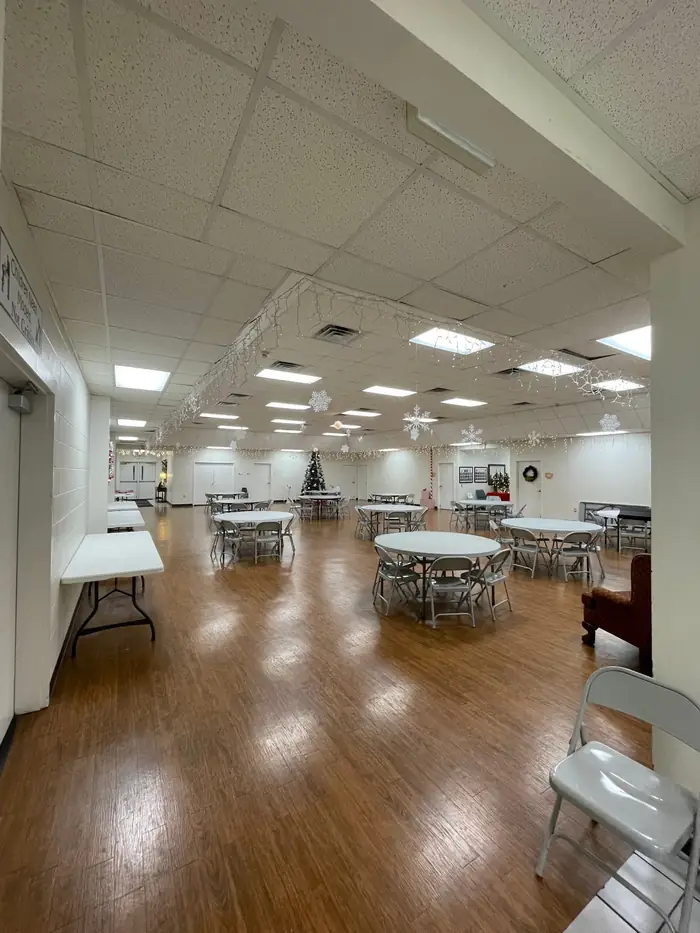
Our own photographs, taken on the job.
Often booked together
Related work
These come up alongside lighting often enough to be worth mentioning when you call.
Ceiling Fan Installation
New fans, replacements, and the fan-rated boxes that keep them from wobbling loose.
What's involvedElectrical Repair & Troubleshooting
Dead outlets, GFCI trips, flickering lights and half-dead circuits, traced to the cause instead of guessed at.
What's involvedNeed lighting in Rome?
Tell us the room, what is there now, and what you want the light to do. Photos of the ceiling and the switch that controls it usually get you a straight answer.