
Electrical work for the buildings Rome actually runs on
Commercial electrician in Rome, GA
A breaker that trips at home is an annoyance. The same trip at a restaurant takes the walk-in cooler with it, and now it is inventory. Commercial electrical work is the same physics as a house with money attached to every hour of downtime, and most of the buildings around Rome that need it are not factories. They are storefronts, offices, churches, restaurants and small warehouses, many of them older buildings that have been rewired in pieces by every tenant since the doors first opened. That is the work we do: lighting retrofits, circuits for new equipment, wall packs and parking lighting, and the panel work that keeps all of it fed. Every job gets planned around the fact that your building has to keep earning while we are in it.
When to bring us into your building
- Fluorescent fixtures dying faster than anyone wants to keep replacing ballasts, which is where an LED retrofit starts paying for itself
- New equipment that needs its own circuit: a walk-in, an espresso machine, a compressor, an oven that keeps taking the counter outlets down with it
- Wall packs, parking lights or signage dark, on all day, or flickering
- A panel with no open spaces and a business that still needs one more circuit
- A tenant space that needs outlets, lighting or circuits moved to fit how the new business actually works
- Something an inspection, an insurer or a landlord flagged that needs a licensed electrician to put right and document
How we work in an open business
-
Scoping starts with how the building is used
Before anything is quoted we walk the space and find out what actually matters: which circuits feed the cooler, the register, the server closet, and what can afford to lose power, and when. Commercial panels are notorious for directories that stopped being true two tenants ago, so part of scoping is finding out what really feeds what. That half hour up front is what keeps a simple job from turning into a surprise.
-
Outages are planned, not discovered
Most commercial work does not need the whole building dead. Circuits get isolated and worked one at a time, the loud and dusty parts get scheduled for your slow hours, and power drops only after you have said yes to it. Our working hours are weekday daytime and we are straight about that up front, because a schedule you can plan staff around is worth more than a vague promise.
-
Commercial code is its own rulebook
A business is not a big house. Exit and egress lighting has to work when the power fails, commercial kitchens have their own receptacle protection rules, and Georgia licenses electrical work at every job size, so commercial work runs through permits and inspection. None of that is red tape to resent. The inspection record is what your insurer, your landlord and the fire marshal accept as proof the work was done right, and we handle that paperwork as part of the job.
-
The building leaves better documented than we found it
Whatever gets added or changed goes into the panel directory accurately, in plain words a non-electrician can read. The next time something trips at seven on a Saturday morning, whoever opens that panel finds the answer in a minute instead of guessing. It costs us ten minutes and it is the cheapest insurance a commercial building can have.
What moves a commercial quote
Commercial quotes come after a walkthrough, because the building and its hours decide the work more than the parts do.
- Whether power can go off during working hours or the job has to be staged circuit by circuit around them
- Ceiling height and construction: drop tile above an office is quick to wire through, a hard lid or a high warehouse ceiling is lift work
- The condition and capacity of the existing panel, since a full or aging panel can turn one new circuit into a bigger conversation
- Fixture count on lighting retrofits, and whether the fixtures take retrofit kits or need replacing outright
- What previous tenants left above the ceiling, because decades of abandoned wiring have to be sorted from the live before anything new lands
Walk us through the space, or send photos of the panel and the problem areas, and you will get a straight answer on what is involved before anything is scheduled.
Where we stop, and why
Our commercial work is owner-scale, the storefronts, offices, churches, restaurants and small warehouses that make up most of the business buildings around Rome and Northwest Georgia. If what you have is a ground-up build with a bid package or an industrial floor, describe it when you call and we will tell you honestly whether it is our kind of job or a bigger crew's, in the first conversation. Everything we take on runs under the owner's Georgia electrical license. A buildout that needs drywall patched and painted after the wiring is a second trade, and our sister company Journey Home Services does that work if you want it handled.
What to expect while you stay open
Any outage announced to you before a breaker is thrown, never discovered by your staff
Work areas contained while we are in them and cleaned before we leave, so the business looks like a business at close
Circuits tested under load and every switch, fixture and receptacle we touched verified working before the job is called done
The panel directory updated to match what is actually true, with a plain rundown of anything else we noticed while we were in there
Commercial Electrical Work questions
What size commercial work do you take on?
The honest answer: owner-scale. Storefronts, offices, churches, restaurants, small warehouses, and the tenant spaces inside them. Within those buildings we do the full range, lighting inside and out, new circuits for equipment, panel and service work, repairs and troubleshooting. If your project is a ground-up commercial build or an industrial facility, say so when you call and you will get a plain yes or no on whether it fits us, not a stretch. Taking a job that is the wrong size for the crew is how commercial work goes bad, and we would rather point you at the right outfit than be the wrong one.
Can you do the work without closing the business?
Usually, yes. Most commercial electrical work does not need the whole building dead. Circuits get isolated and worked one at a time, so the registers stay up while the back office loses power, not the other way around. The real exception is panel and service work, where there is a stretch with everything off, and that gets scheduled with you in advance so refrigeration and staffing are planned for it. One honest constraint: our working hours are Monday to Friday during the day. We will lay out exactly what the schedule looks like when we scope the job, so you can decide with real information.
Half our fluorescent fixtures are dim or dead. Retrofit to LED, or keep replacing ballasts?
If one ballast died and the rest of the ceiling is fine, replacing the ballast is a fair fix and we will say so. When they are failing in numbers, the math changes, because every failure is another ladder trip and another ballast, and the fixtures are all the same age. An LED retrofit ends the ballast problem outright, since most conversions remove the ballast entirely, and the light quality and the power bill both improve. One detail worth knowing: ballast-bypass LED tubes put line voltage on the tube sockets, so the fixture has to be rewired and relabeled to be safe and legal. That relabeling step is exactly the kind of thing that separates a retrofit done right from one that becomes the next tenant's mystery.
The panel is full and we need another circuit for new equipment. What are the options?
First comes a load calculation, because a panel with no open slots is not the same thing as a panel with no capacity, and the reverse is also true: open slots do not prove the service can carry more. If the capacity is there, the options are freeing slots with tandem breakers where the panel is listed for them, or adding a subpanel beside it, which is often the cleaner long-term answer. If the building has genuinely outgrown its service, we will show you the numbers behind that rather than ask you to take it on faith. Send a photo of the panel with the door open and the nameplate of the new equipment, and the first conversation gets a lot more concrete.
The parking lot lights are out. Is that you or the power company?
It depends on who owns them, and it is worth checking before you spend anything. Pole lights leased from Georgia Power carry a tag on the pole and usually show up as an outdoor lighting line item on the power bill. Those are maintained by the utility, so a call to Georgia Power fixes them at no cost to you, and you do not need us. Lights fed from your own panel are a different story: wall packs on the building, photocells, timers, contactors, and poles you own outright are our work. If you are not sure which you have, a photo of the pole and your power bill will settle it in one look.
Do small commercial jobs really need permits and inspections?
In Georgia, electrical work is licensed work at every job size. There is no small-job exemption, and commercial work runs through permitting and inspection on top of that. It is worth understanding why that is in your interest rather than just a cost: the inspection record is the documentation your insurance carrier, your landlord and the fire marshal will actually accept if anything is ever questioned. Unpermitted electrical work in a commercial building is a liability sitting in the walls with your name on the lease above it. We fold the permit into the job, so from your side it is paperwork you never have to touch.
Where we do this work
Commercial Electrical Work across Rome, Floyd County and the towns around them in Northwest Georgia, including 6 distinct parts of Rome, from Between the Rivers to the newest streets off US 27.That is Floyd, Polk, Gordon and Bartow counties, and the towns listed below.
Town by town, that means Acworth, Adairsville, Aragon, Armuchee, Braswell, Buchanan, Calhoun, Cartersville, Cave Spring, Cedartown, Coosa, Dallas, Emerson, Euharlee, Fairmount, Hiram, Kingston, LaFayette, Lindale, Lyerly, Menlo, Plainville, Ranger, Resaca, Rockmart, Rome, Shannon, Summerville, Taylorsville, Trion and White. Each has a page on what its houses actually need, and smaller places in those counties are covered too. The full picture.
Recent work
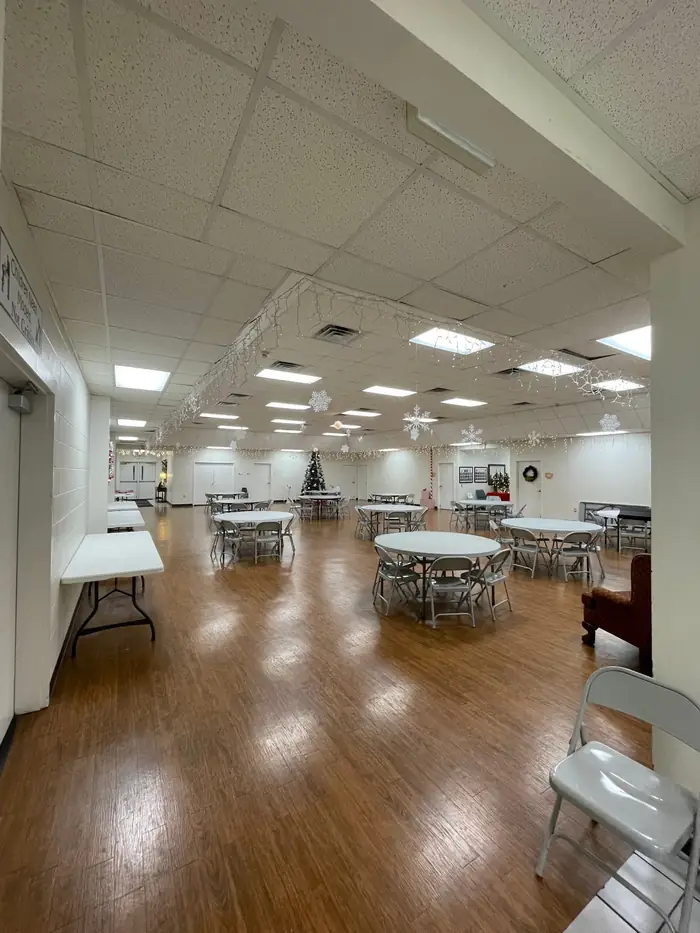
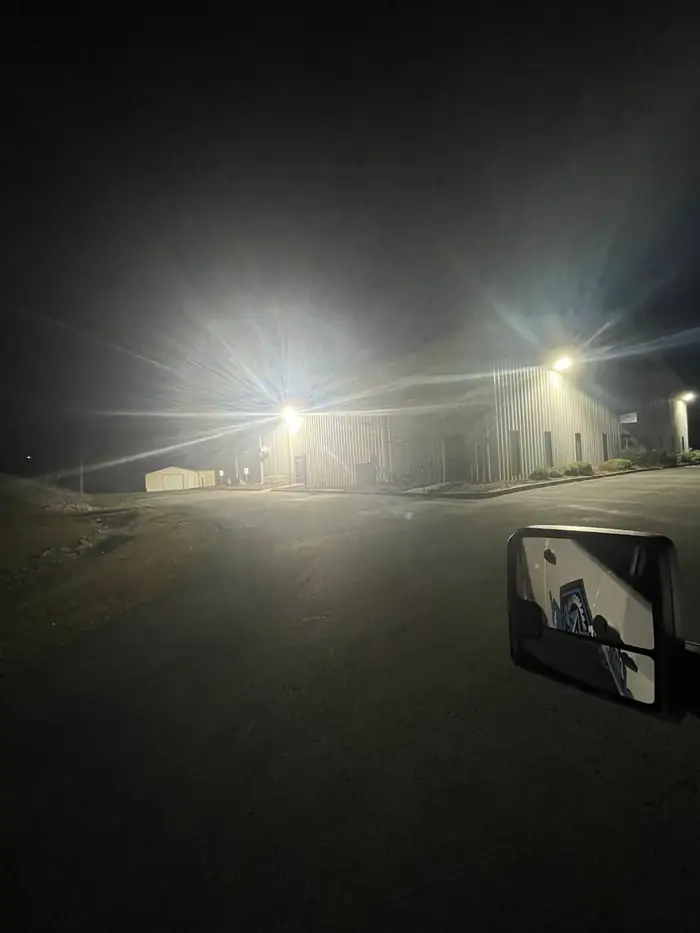
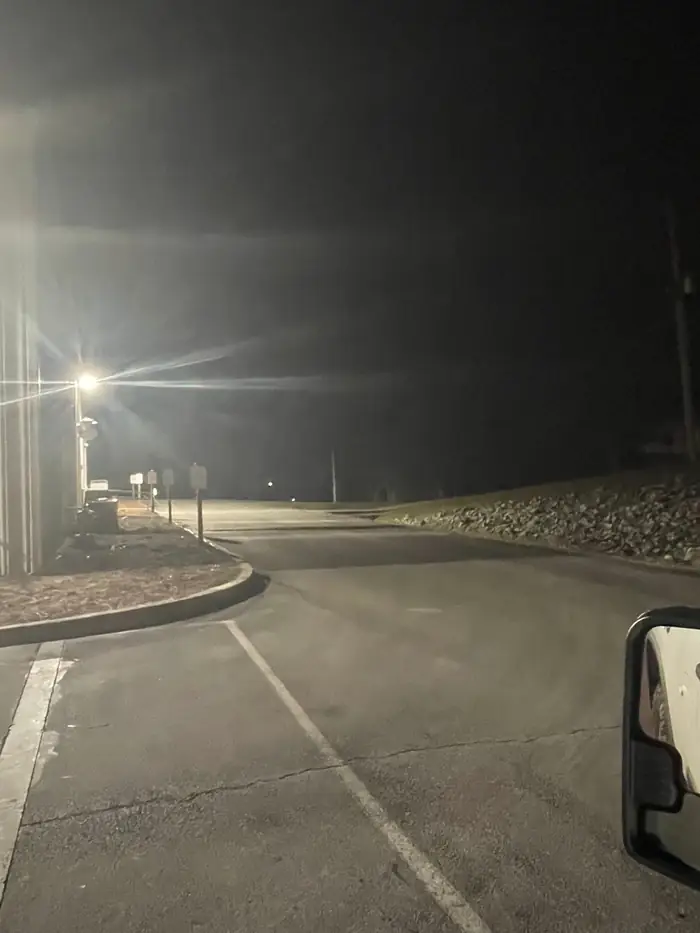
Commercial we have finished
Our own photographs, taken on the job.
Often booked together
Related work
These come up alongside commercial often enough to be worth mentioning when you call.
Lighting Installation
Recessed layouts planned before the saw, heavy fixtures on the right box, landscape lighting, and dimmers that behave.
What's involvedElectrical Inspections & Older-Home Wiring
Pre-purchase and insurance inspections, aluminum and knob and tube answers, and rewiring scoped to what is actually wrong.
What's involvedNeed commercial in Rome?
Tell us what the building is, what is acting up, and which hours matter most to protect. Photos of the panel and the problem area usually get you a straight answer fast.